

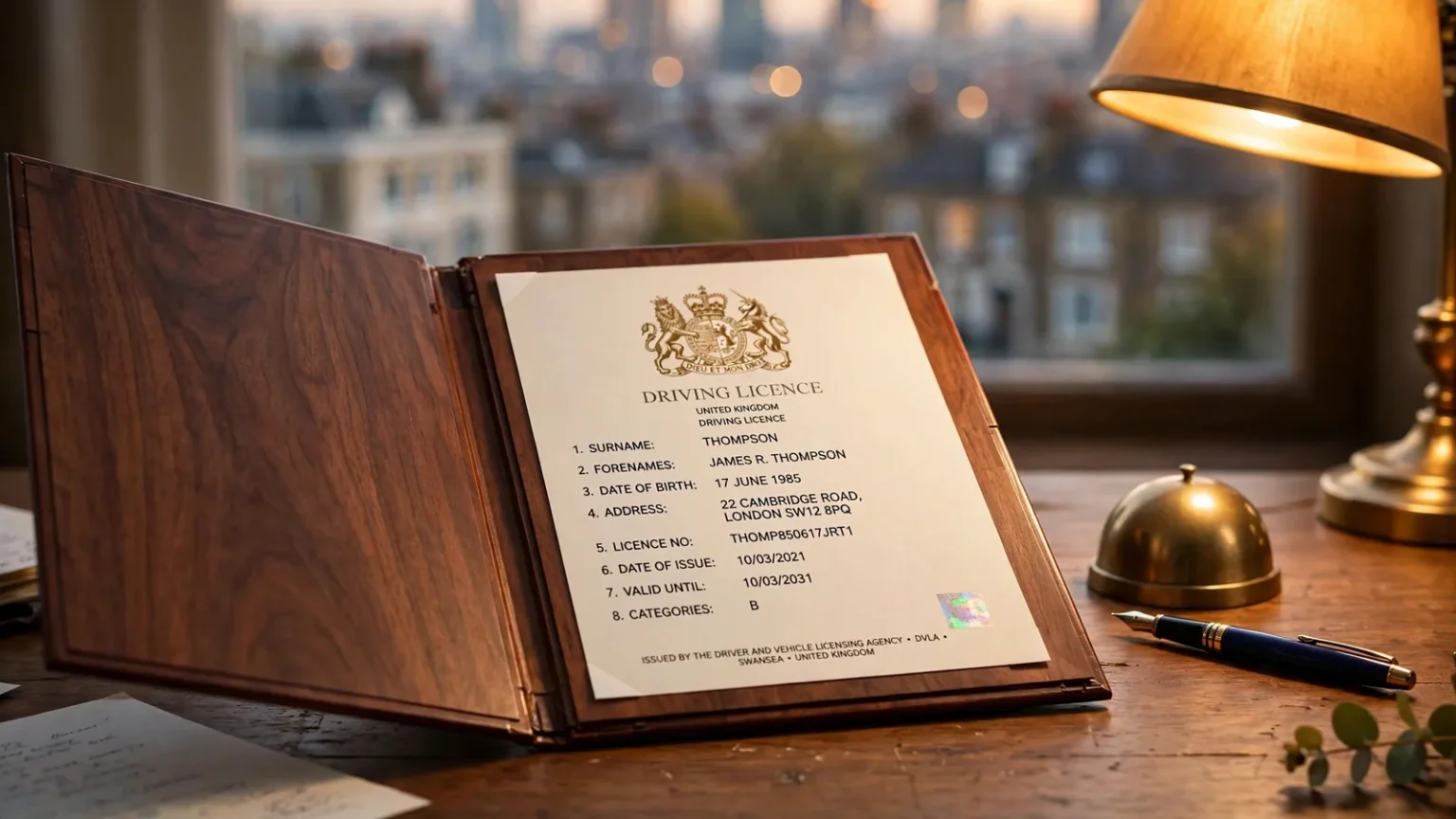
A licence is a starting point, not a guarantee; operator identity, account checks and site terms also shape the picture.
What a UK Casino Licence Actually Tells You
When I see a casino calling itself “trusted”, I try to get past the adjective and establish the legal baseline first. For real-money online gambling offered to customers in England, Scotland and Wales, the operator needs a UK Gambling Commission (UKGC) Licence. That requirement applies whether the business is based in Britain or somewhere else. Being overseas does not, by itself, exempt a business serving the British market from the rule.
That tells you something meaningful: the operator is within the Gambling Commission’s regulatory framework for remote gambling offered to consumers in Great Britain. It is a better starting point than a polished homepage or a reassuring badge selected by the site itself. But it is a starting point, not a certificate that every part of the experience will be flawless.
I learnt to separate those ideas after treating “licensed” as if it meant “nothing can go wrong”. It doesn’t. A licence establishes a regulatory status; it is not a personal guarantee that you will always be happy with a site, that every decision will suit you, or that gambling carries no risk. Those are different questions.
What the licence establishes
The key point is not where a remote gambling business has its office. If it offers gambling facilities to consumers in Great Britain, the relevant UKGC Licence is required. The Gambling Commission regulates that remote gambling market. In practical terms, a site cannot make the requirement disappear by describing itself as international or pointing to a company address abroad.
Non-UK-Regulated Casinos: What UK Players Should Know
That matters because “available to UK players” and “authorised to serve the British market” are not interchangeable descriptions. A page may load on your phone and still not establish that its operator holds the permission required to offer real-money gambling here. Access alone is not proof of regulation.
For me, the licence is a threshold check. It gives a concrete answer to whether the operator is subject to the local regulator’s framework for this market. Without that baseline, words like “secure”, “reliable” or “trusted” are just claims on a screen. With it, you have evidence of regulatory oversight—but not a promise of perfect conduct.
What it does not promise
A UKGC Licence does not mean that gambling is risk-free. Nor does it tell you that every game will pay out, that you will win, or that using a site is automatically a good idea for your circumstances. A regulator can set requirements and oversee operators; it cannot remove the uncertainty built into gambling or make a decision for you.
I also wouldn’t read a licence as a blanket endorsement of a brand’s advertising. “Approved” can sound like a personal recommendation, but regulatory permission is not the same thing as the Commission telling you that a particular casino is the best choice. The distinction is easy to miss when a site puts a regulator’s name beside promotional language. I’ve made that mistake before: I saw official-sounding wording and stopped asking what it actually established.
USA Casinos for UK Players: Licensing and Risks
So, when someone asks me whether a UK online casino is legitimate, I don’t treat the answer as a single thumbs-up. The first question is whether the operator has the required permission to serve customers in Great Britain. That is a legal baseline, not a full review of the site’s service, terms or suitability for you.
Keep the geography straight
There is a small but important complication in the phrase “UK casino”. The Gambling Commission’s remote-gambling remit described here covers Great Britain: England, Scotland and Wales. Northern Ireland is not covered by that regime in the same way. So it is more accurate to talk about the British market when explaining this particular licensing rule, rather than casually applying it to every part of the United Kingdom.
That distinction doesn’t change the central point for customers in England, Scotland and Wales: an operator offering real-money gambling to them must hold the relevant UKGC Licence, wherever the operator is located. It simply stops a broad label from blurring different legal arrangements.
A UKGC Licence establishes a regulatory status, but it is not a personal guarantee that every experience will be flawless or that gambling carries no risk.
A sensible first filter
I now treat licensing as the first filter, not the whole test. It answers a narrow but important question: is the business serving Great Britain within the local regulatory system that applies to remote gambling? That is more useful than taking “trusted” at face value, and it keeps the word “licensed” in proportion.
A licence is evidence of a regulatory relationship. It is not a promise that nothing can go wrong, and it should not be used as a substitute for thinking carefully about whether to gamble at all. That’s the baseline.
Casino Sites: Check the Operator Behind the Brand
A casino’s name is the bit you remember. The company running it can be much less visible. I used to treat the logo at the top of a site as the important identity; it looks official, and it is right there in front of you. But a brand and its operating company are not necessarily the same thing. If you want to understand who is responsible for a particular casino, look past the branding and find the operator named in the Gambling Commission’s public register.
That distinction matters when you are comparing trusted UK casino sites. A familiar name, polished design or confident promise does not identify the legal entity behind the service. The operator name is a more useful starting point: it gives you something specific to check, rather than asking you to trust an impression.
Casinos not on GamStop UK: trust and safety checks
Match the operator to the site
Start with the casino’s own information. Look for the operator’s legal name and licence details, often in the footer or in the terms. Then search the public register for that company and check whether the entry connects it to the casino’s domain. The aim is to match three things: the brand you have open, the company named as operator, and the web address associated with that company.
I find it helps to do this in that order. If you begin with a brand name alone, you may not know which company to search for. If you only find a company with a similar name, you still have not established that it operates the site you are considering. And if the domain does not line up, pause and investigate rather than assuming the logo settles it.
A register entry is a practical cross-check, not a badge that answers every question about a casino. It can help establish the connection between an operator and a domain. It does not turn a marketing claim into proof, nor does it tell you whether you personally like the site’s terms or service. Those are separate checks.
A register example
One concrete example shows how the pieces can fit together. In a check of the Gambling Commission’s public register, the operator entry for LeoVegas Gaming PLC appears under account number 39198. The register’s domain information identifies leovegas.co.uk as the active UK-facing domain connected with that same account.
Checking the Operator
Step 1: Find the details
Look for the operator’s legal name and licence details in the casino’s footer or terms.
Step 2: Search the register
Search the Gambling Commission’s public register for that company name.
Step 3: Match the domain
Verify that the register’s domain information connects the company to the active web address you are using.
That is more useful than seeing the brand name on a page and stopping there: the company and the domain can be compared against a public record. But register information is a snapshot, not a permanent guarantee that every page using a familiar name is the right one. I would still compare the address in the browser with the domain listed, and check the operator details on the site I am actually visiting.
A small mismatch can be easy to wave away when a site looks convincing. I have been tempted to do exactly that. Don’t.
What to do when details differ
If the site names one company but the register points to another, do not quietly assume they are interchangeable. Check whether the entry explains the relationship and whether the domain you are on is included. If you cannot make the connection clear, hold off on sharing account details or paying in while you look for an explanation from the operator or consult the register again.
The same goes for a casino brand that appears in a review or recommendation but is hard to connect to a named operating company. A review can be a useful place to discover a site, but it is not a substitute for checking the operator and domain yourself. That is especially worth remembering when a page leads with claims about being “trusted” or calls its offers the best. Those words belong to the pitch; the register check is a separate piece of evidence.
When I compare casino sites, I keep the checks narrow: What company does the site say operates it? Does the public record associate that operator with the domain I have open? Can I make the brand, company and address agree without guesswork? If I cannot, I do not fill in the gaps with optimism.
Casino without a Swedish licence: UK guide
It is a simple habit, and it avoids mixing up a brand’s appearance with the identity of the business behind it. The name on the screen may be the one that draws you in. The operator and the recorded domain are what I check next.
“Most Trusted” Is a Claim, Not a Ranking
“Most trusted” sounds like a useful verdict, but it is still a claim someone has chosen to make. The same goes for “best” or “top”: those words do not tell you who runs a casino, whether it is authorised to serve customers in Great Britain, or what evidence supports the label. I used to treat confident wording as a shortcut. It isn’t one.
A ranking can be useful only if you know what it measures and when it was put together. A list based on welcome offers may say little about regulation; a review focused on games may not check the company behind the brand. Even a polished comparison can leave out the detail that matters most to you. “Trusted” needs a test, not a bigger font.
For real-money gambling offered to customers in England, Scotland and Wales, the operator needs the relevant UK Gambling Commission licence. That is the starting point for judging whether a casino belongs in a list of legal UK options, not a badge or an affiliate’s description. A site can look familiar and still leave you with a different operator or a different regulatory position from the one you assumed. Claims deserve checking.
Terms like "most trusted" or "best" are marketing claims rather than official regulatory statuses or rankings.
The public register offers a more concrete check than a superlative. It records operators and relevant domains, but a finding should be read as a snapshot: it describes what the register showed on a particular date, not a permanent verdict. Brand names and legal company names may differ, so a search needs to account for both. I would not turn one search result into a sweeping claim about every site with a similar name.
Take LuckyPays. A check of the public Gambling Commission register dated 26 September 2026 did not identify an entry under the LuckyPays brand or the stated domain luckypays.io. It is not a recommendation, and it is not a complete comparison of casino brands. Nor does a missing match tell you, by itself, what another site with a similar name is.
There was a separate check on Hustles Casino. On 25 September 2026, no Gambling Commission operating-licence entry was found for either Hustles Casino or the named company Usoftgaming N.V. It should not be dressed up as a league-table position or quietly softened into an endorsement.
That distinction matters because “most trusted online casino” is not an official status. Neither is “best trusted casino”. A reviewer may use those phrases to express an opinion, while a casino may use them to advertise itself. Neither wording replaces the regulator’s register. If a page calls a site trusted but does not explain who operates it or what it checked, I treat the adjective as decoration. Useful decoration, perhaps. Still decoration.
VPN-Friendly Casinos in the UK: Access and Rules
I also wouldn’t assume that a mobile-friendly site or an app-store listing settles the issue. A smooth interface can make a brand seem established, but presentation is not evidence of the operator’s authorisation. The same goes for a casino accepting a particular payment method or displaying familiar game imagery: those details do not turn a marketing claim into a regulatory record. Different questions need different evidence.
A fair comparison should be open about its limits. It should say whether it checked the operating company, whether its information is dated, and what it means by “trusted”. If it ranks casinos, it should explain the criteria rather than letting a star rating do all the talking. I want to know what was actually checked, not just how sure the page sounds.
So if you’re wondering what the most trusted online casino in the UK is, I’d resist looking for one universal winner. The label can’t do that work for you. Start by asking what the claim rests on, and whether the evidence refers to the exact brand and operator you’re considering. Then treat dated findings as dated findings, not as a permanent certificate or a complete ranking. The wording is easy. The checking takes longer.
Real-Money Play: Verification Comes Before the First Deposit
When I’m deciding whether to open an account at a real-money casino, I treat identity checks as part of getting started, not as an annoying surprise to deal with later. Under UK rules, an operator must verify you before you can deposit or play. So a site that lets you put money in first and promises to sort out who you are afterwards is not following that requirement.
Verification First
Under UK rules, an operator must verify your identity before you can deposit or play; avoid sites that let you pay in before this check.
That changes how I read the welcome screen. A polished sign-up form can make account opening look like a quick box-ticking exercise, but there is a real check behind it. You may be asked to provide details and upload documents so the operator can confirm your identity. It is sensible to expect that before you get as far as real-money play.
I used to think the account was basically ready once the form had accepted my details. That was wishful thinking. The important distinction is that creating a login and being cleared to gamble are not necessarily the same thing. If you are planning to use a welcome offer, or have already picked a game, neither changes the requirement: verification comes first.
What you may be asked to provide
Identity verification commonly involves a photo of your passport or driving licence, along with a recent utility bill. The photo ID helps establish who you are; the bill can help confirm your address. Have those documents in mind when you sign up, rather than assuming the operator will need nothing beyond the details you type into the form.
“Simple sign-up” is the sales-friendly version. In practice, you should be ready to provide evidence. I would check that the document image is readable and that the details are visible before sending it. A cropped image or a hard-to-read photograph can create avoidable back-and-forth. That is practical common sense, not a promise about how any particular operator handles a submission.
Casino sites not on GamStop: UK rules explained
A passport or driving licence is not interchangeable with proof of address. If you are asked for both, sending another identity document instead of the bill may not answer the address question. The request is about establishing different details, so follow what the operator asks for and use the document type that fits.
Get ahead of the hold-up
The safest expectation is that you will not be able to deposit or play until the check is complete. Do not build your plans around placing a first bet straight after registration, and do not treat an advertised bonus as a reason to rush through an account setup. A bonus does not make the verification requirement disappear.
I also avoid sending documents through a link that feels out of place or through an informal message. Start from the operator’s own account area and follow its stated submission route. If the instructions are unclear, pause and contact the operator through its listed support channel rather than guessing where sensitive documents should go.
That pause is worth it. Identity documents contain personal information, and I would rather take a moment to make sure I am using the right route than send them somewhere I cannot identify. Read the request carefully, check that the document is the one requested, and make sure the image is clear enough to be read.
Do
- Use the operator’s own account area for submissions
- Ensure document images are clear and readable
- Provide the specific document type requested
Don’t
- Send documents through informal messages or odd links
- Guess where sensitive documents should go
- Assume a photo ID replaces a proof of address
If a site says verification can wait until after you have deposited or started playing, I would not treat that as a handy shortcut. For real-money gambling under UK rules, identity checks must happen before either step. That is the point to keep in mind while opening an account, whether you are drawn in by a casino’s reputation, its games or a welcome bonus.
I know the temptation to click through and sort out the admin later. I have done that sort of thing with plenty of online accounts, then found myself stuck at the point where I actually wanted to use them. Here, waiting until later is not just inconvenient: it runs against the order the rules require. Have suitable identification and address evidence ready, follow the operator’s instructions, and wait until the check is complete before trying to deposit or play.
No shortcuts here.
Casino Apps: Check the UK-Facing Domain First
An app-store listing can look reassuring: familiar branding, polished screenshots and a name that matches the casino you had in mind. I used to treat that as enough. It isn’t. The listing alone does not tell you which company runs the gambling service or which website it uses for customers in Great Britain.
Before installing a casino app, look for the operator named in its listing and compare that with the information on the casino’s own site. Then check the UK Gambling Commission’s public register for the operator and its UK-facing domain. The domain matters because it connects the brand you see on your phone to the web address recorded for the licensed business. If those details do not line up, pause rather than assuming the app-store branding settles it.
Merkur Casino Online UK: Games, Bonuses and Checks
There is a concrete example in the register. A register entry for LeoVegas Gaming PLC identifies operator account 39198, and the Commission’s domain records associate that account with leovegas.co.uk as LeoVegas’s active UK-facing address. That is a useful point of comparison if you encounter a LeoVegas app: check that the app’s publisher and linked destination make sense alongside the registered operator and domain.
It is a small check, but it can catch a basic mismatch. An app can be a convenient way to reach a casino; it is not, by itself, proof that the service is the one you intended to use. I now look past the icon and ask where its links lead. Boring, but useful.
If you are looking for a trusted casino app in the UK, think of trust as something to verify, not something an app-store badge confers. Read the app description and publisher details, follow any link to the operator’s website, and compare the destination with the regulator’s domain record. Avoid treating a similar name or familiar logo as a substitute for that match.
The register is a snapshot, not a permanent promise: domain arrangements can change. Check it when you are deciding whether to use an app, rather than relying on an old bookmark or a listing you saved earlier. A few minutes on the right record beats guessing from the screen.
App Verification
Verify the app’s publisher and destination against the regulator’s domain record rather than trusting the app-store branding.
When a Casino Gets It Wrong: What Enforcement Can Show
A licence tells you an operator is within the regulator’s system; it does not mean every decision it makes is beyond criticism. I used to treat a polished site and confident “trusted” wording as reassuring. That was lazy on my part. A regulator’s enforcement record can show what went wrong in practice, not just what a brand says about itself.
On 26 June 2025, the UK Gambling Commission fined Grace Media £60,000. The case involved failures concerning self-exclusion and consent for direct electronic marketing. Those are not minor details. Self-exclusion is meant to help someone stop gambling, while marketing consent determines whether promotional messages should be sent to them. If either is mishandled, a customer’s attempt to set a boundary can be undermined.
There is also a useful link between the enforcement record and the public register. The register identifies 333casino.com as a White Label domain connected with Grace Media (Gibraltar) Limited, under account 57869. That tells me the name on a casino’s front door may not be the same as the company responsible for operating it. In this case, the register entry and the penalty record give a reader two different pieces of context: who is associated with the domain, and what compliance failures the regulator found at the operator.
I would not turn one enforcement case into a claim that every site connected with an operator has behaved the same way. Nor does a penalty amount, on its own, tell you everything about the current state of a business. But it is more useful than a vague review calling a casino “safe” without explaining what that judgement rests on. Look for the regulator’s description of the breach and the date of its action; the detail matters.
Anjouan Casino Licence in the UK: What It Means
When I read reviews now, I treat praise as an opinion and enforcement records as evidence of specific past conduct. Neither tells the whole story by itself. Still, a documented failure involving people who had excluded themselves or withheld marketing consent is worth taking seriously. Not just branding.
How I Check Whether a Casino Is Worth Trusting
I used to treat a polished homepage as a decent sign. It isn’t. Now I work through a few checks before I decide whether I’m comfortable opening an account.
First, I look for the company actually running the casino, then check that company on the UK Gambling Commission’s public register. Remote gambling businesses serving customers in Great Britain need the relevant UKGC Licence, wherever they are based. A logo in the footer is not the same thing as confirming the operator on the register. If I cannot match the company to a current licence, I stop there. No guesswork.
Next, I check what the account process says about age and identity checks. UK rules require operators to verify you before you can deposit or play, so don’t assume you can get started first and sort it out later. The details of any further identity or payment-ownership questions can vary. I look for a clear explanation of what might be requested and when, rather than relying on a banner that says “quick sign-up”.
Casino Trust Check
- Match the operating company to a current UKGC Licence
- Confirm the operator is associated with the specific domain
- Verify when age and identity checks will occur
- Review the required identification documents
I also read the withdrawal information before putting money in. That is where I have been caught out: I focused on getting an account open and only later noticed that identity checks could affect the first withdrawal. For a concrete illustration, LeoVegas says it generally asks for identity verification at the first withdrawal. Its stated documents are photo ID and proof of address dated within three months. That is one operator’s process, not a rule to assume every casino follows.
Before signing up, I check that I can provide the documents the operator may request and that the instructions are specific enough to follow. A passport or driving licence photo and a recent utility bill are common identity documents, but the operator should explain its own requirements. If something is unclear, I would rather ask before depositing than discover a problem when I want to withdraw.
So my test is practical: can I identify the licensed operator, understand when checks apply, and see what paperwork may be needed? That won’t tell me whether a casino is enjoyable, and it certainly doesn’t promise a smooth experience. It gives me a firmer basis for deciding whether to proceed.
Three checks. Then decide.
Recommended online casinos
- x3betBonus: Welcome Pack 100% Up to £1.000 + 200 Free Spins · Payout speed: 1-3 business days
- EvoSpinBonus: 125% up to €2500 + 125 Free Spins · Payout speed: 1-3 business days
- NightLuckBonus: Welcome Pack + 805% Up To 6400€ + 280 FS · Payout speed: 1-3 business days
- BeOnBetBonus: 100% up to €500 + 100 FS · Payout speed: 1-3 business days
- DieselwinBonus: Welcome Pack 250% up to £4000 + 200 FS · Payout speed: 1-3 business days
- JetsetspinsBonus: 200% Bonus + 100 Free Spins + Free Royal Wheel · Payout speed: 1-3 business days
- ZombillionBonus: Welcome Pack 250% up to £4000 + 200 FS · Payout speed: 1-3 business days
- AmunbetBonus: Join now and get 450% up to 2,700 GBP + 450 FS · Payout speed: 1-3 business days
- SpinFormulaBonus: 550% Up To £15,000 + 550 FS · Payout speed: 1-3 business days
- BritsinoBonus: Welcome Package – Get your £2,200 + 2,000 FS · Payout speed: 1-3 business days
Payments, Games and the Small Print That Changes Them
I used to treat a deposit as a simple number: money in, then a bonus on top. The terms can make that calculation less straightforward. A payment method may affect whether an offer is available, while the games you choose can affect how quickly its wagering requirement is met. Read those rules before you deposit, not after you have started playing.
There is also a firm UK restriction: remote gambling operators cannot accept credit-card payments for gambling. That includes credit-card funds routed through a money service business, and a gambling wallet cannot be used if it lets you spend credit-card funds. So when checking payment options, look at the source of the money as well as the name of the method. A familiar wallet label does not override the restriction.
Then check the game contribution table. A specialist affiliate review describes slots as contributing the full stake towards wagering, while live tables and blackjack can contribute less or nothing. That is not a rule you should assume applies to every offer: the promotion’s own terms are what matter. If a game contributes less, playing it may add less progress towards the requirement than its stake suggests. If it is excluded, it may add none.
The arithmetic itself is easy to underestimate. One specialist affiliate review illustrates a £20 bonus with 10x wagering as £200 in total stakes. That is the amount wagered across play, not a promise that you will spend exactly that sum or finish with money left. I have mistaken a multiplier for a small hurdle before. It wasn’t.
For payment terms, check which methods qualify for a promotion, whether any are excluded, and whether the stated method is permitted for gambling under UK rules. For game terms, look for each game’s contribution and any exclusions. Those details tell you what the advertised offer means in practice; the headline alone does not.
Remote gambling operators in the UK are strictly prohibited from accepting credit-card payments for gambling.
I also separate payment questions from game questions. A deposit method tells you how funds enter the account; it does not tell you how a game counts towards wagering. And a game’s contribution does not change the payment rules. Two small-print sections. Different jobs.
Free Spins and Bonuses: Read the Conditions Before You Count Them
I used to see “£20 bonus” and mentally add £20 to my balance. That was the mistake. Bonus money is conditional, and the headline tells you very little about what you can actually keep.
Start with the wagering requirement. A £20 bonus with 10x wagering means £200 in total stakes before the requirement is met; it does not mean you receive £200, or that you can withdraw the bonus straight away. A 100% match bonus up to £200 might come with 30x wagering, so check what the multiple applies to: the bonus alone, or your deposit and bonus together. That difference changes the amount of play required.
Then read the eligibility rules. A specialist review I checked described welcome offers as commonly restricted to new customers, limited to one per household, and sometimes unavailable when using particular payment methods, including e-wallets. Those are terms to verify on the offer itself, not assumptions to carry from one casino to another. Look for excluded games, minimum deposits and any cap on winnings, too.
Free spins need their own close read. Check which games they apply to, whether winnings become bonus funds, and what wagering conditions attach to those winnings. “Free” describes the spins, not necessarily the cash you can withdraw. Small print matters.
Expiry is another easy one to miss. The specialist review described bonus funds and free spins as commonly expiring within a stated period of 7 to 30 days. Check the offer’s exact deadline and whether the clock starts when you opt in, receive the bonus or claim the spins. An offer you cannot use in time is worth nothing to your balance.
I now compare the conditions before the headline amount. Less exciting. More honest.
Fast Payouts: Allow for Checks and Payment Rails
“Fast payout” can describe one stage of a withdrawal, not the whole journey. I used to see a short processing claim and assume the money would be in my account just as quickly. That was the wrong thing to measure.
First, the casino has to review the request. A first withdrawal can take longer if the operator needs to check your identity or ask for documents. A specialist review reports an extra 12–24 hours for these checks on first-time withdrawals. Treat that as a reported timing, not a promise: a request for more information can hold things up.
After the operator approves a withdrawal, the payment method has its own timetable. The same specialist review puts PayPal withdrawals at 4–6 hours on weekdays, with 8–10 hours from Friday to Sunday. Those estimates concern the payment clearing stage; they do not remove the operator’s review time. Weekends matter.
Bank transfers are another case where the amount received may differ from the amount requested: a bank may charge £2–£5, depending on its policy. Check the fee and the casino’s withdrawal terms before choosing that route.
I now separate the clock into two parts: the casino’s decision and the payment rail’s delivery. If a site advertises a rapid withdrawal, I look for the conditions attached to that claim, including whether it refers only to processing after approval. “Instant” is not a useful expectation unless the terms explain exactly which stage it describes.
Keep enough time in mind for checks, especially on a first withdrawal, and don’t plan around money arriving at a particular hour. A clear estimate is helpful; it still isn’t a guarantee.
How can I check whether a casino is legal?
Check the UK Gambling Commission’s public register for the operator named on the casino’s site and confirm that the register links it to the casino’s domain. Operators offering real-money gambling to customers in England, Scotland and Wales need a UKGC licence.
Which casino payment methods are generally quickest?
PayPal withdrawals are quickest among the listed methods, typically clearing in 4–6 hours on weekdays and 8–10 hours from Friday to Sunday. Debit card withdrawals usually take 2–3 banking days after the operator’s review.
Is LeoVegas UK licensed?
Yes. The UK Gambling Commission lists LeoVegas Gaming PLC under account number 39198 and identifies leovegas.co.uk as its active UK-facing domain.
What payment types are listed?
The listed payment types are PayPal, debit cards and bank transfers.
Material created by the team Basswin UK Guide