

The guide separates the live-game label from availability, casino rules and promotional claims.
What “live Dream Catcher” tells you—and what it doesn’t
When I see “live” attached to a casino game, I take it as a clue about how the game is presented, not a full description of what happens on screen. With Dream Catcher, the name points you towards a particular title, while “live” suggests a live-casino context. That still leaves plenty unanswered: whether a particular casino currently offers it, what the session looks like, and what rules apply there.
That distinction matters because a search for Dream Catcher can bring up several kinds of pages. One may be a casino’s game listing; another may be a promotional page, a review, or an old result that no longer reflects what is available. A page using the title is not, by itself, proof that you can open the game there today. I’ve learned to treat a familiar name as a starting point, not as confirmation.
The wording can also blur together two separate things: the game and the casino hosting it. Looking for a Dream Catcher online casino often means you want to find a site where the title is available. It does not mean Dream Catcher is itself a casino, or that every casino using similar wording offers the same experience. The operator, the page and the game are different pieces of the puzzle.
“Live” can create an expectation of a real-time presentation, but I wouldn’t fill in the details from that word alone. It does not tell you who or what appears on screen, how a round works, whether there are particular features, or what the available stakes are. Those are details to establish from the specific game information a site provides. If a page skips them and relies on glossy language, I don’t treat the missing explanation as an invitation to guess.
Live Baccarat Online Casinos in the UK: What to Check
There is a longer history to live casino games in Britain. Grosvenor first introduced its live casino games in 2013, with card and casino titles including Blackjack, Texas Hold’em and Roulette. That gives a little context for how established the live-casino category is; it does not confirm that Grosvenor, or any other operator, currently offers Dream Catcher. Nor does a history of live tables tell you the rules of a separate game.
I’d also be careful with the word “best”. It sounds like someone has compared the options and reached a firm verdict, but the label alone tells you nothing about how that verdict was reached. A page can put “best Dream Catcher casino” in a heading without showing whether the game is actually listed, whether the information is current, or what the recommendation is based on. I don’t use the adjective as evidence.
What I want at this early stage is fairly simple: a clear indication that the exact title is being discussed, information that appears to relate to the particular casino page in front of me, and enough detail to understand what is being offered before I make any decision. If a listing only repeats the name, I still don’t know much. If the page mixes general claims about live games with claims about Dream Catcher, I separate the two rather than assuming one proves the other.
It’s easy to go from recognising a name to imagining you already know the experience. I’ve done that with casino listings: a confident headline made the choice feel settled, then the useful details turned out to be elsewhere—or absent. So I now slow down when a result makes the game sound instantly familiar. “Live” is a useful signpost. It is not a rulebook, a guarantee of availability, or a promise that every site presents the title in the same way.
Casino Dice Games in the UK: How Bets Work
The same goes for “play Dream Catcher online”. That phrase expresses an intention, not a description of the product or a confirmation that a playable version is available on the page you found. Before you treat any listing as an invitation to play, look at what it actually says about that title rather than relying on wording around it. A casino’s general live section can contain many games without establishing that this particular one is among them.
For now, I’d read the name as a lead, not a conclusion: Dream Catcher is the title you are trying to identify, and “live” describes the kind of casino presentation you are seeking. The rest needs to be checked against the specific offering, not supplied by assumption. Keep gambling within money you can afford to lose.
Recommended online casinos
- x3betBonus: Welcome Pack 100% Up to £1.000 + 200 Free Spins · Payout speed: 1-3 business days
- EvoSpinBonus: 125% up to €2500 + 125 Free Spins · Payout speed: 1-3 business days
- NightLuckBonus: Welcome Pack + 805% Up To 6400€ + 280 FS · Payout speed: 1-3 business days
- BeOnBetBonus: 100% up to €500 + 100 FS · Payout speed: 1-3 business days
- DieselwinBonus: Welcome Pack 250% up to £4000 + 200 FS · Payout speed: 1-3 business days
- JetsetspinsBonus: 200% Bonus + 100 Free Spins + Free Royal Wheel · Payout speed: 1-3 business days
- ZombillionBonus: Welcome Pack 250% up to £4000 + 200 FS · Payout speed: 1-3 business days
- AmunbetBonus: Join now and get 450% up to 2,700 GBP + 450 FS · Payout speed: 1-3 business days
- SpinFormulaBonus: 550% Up To £15,000 + 550 FS · Payout speed: 1-3 business days
- BritsinoBonus: Welcome Package – Get your £2,200 + 2,000 FS · Payout speed: 1-3 business days
Dream Catcher casino: check the operator, not the pitch
A casino can put Dream Catcher in a headline, banner or game menu. That tells you what it is promoting; it does not tell you who runs the site, whether that business is authorised to serve people in Great Britain, or which regulator oversees it. I used to let a familiar game name do too much of the reassuring for me. It shouldn’t.
For a real-money casino serving Great Britain, the operator’s status matters more than the game’s branding. The UK Gambling Commission regulates commercial gambling in Great Britain and covers remote gambling offered to people there, even when the operator’s equipment is located elsewhere. A business serving those customers must hold the relevant Commission licence. Its location is not a workaround.
That is the basic dividing line. A polished site, live tables, a recognisable title or confident claims about safety are not substitutes for regulatory authorisation. Nor does the presence of a game establish that the casino itself is legitimate. The game and the operator are separate things; check the business responsible for taking your account and wagers.
Online Casino Tournaments UK: What to Check
What the licence tells you
The Commission is the sole regulator for commercial gambling in Great Britain. It issues operating licences to businesses and personal licences to individuals working in relevant operating roles. Those are different kinds of authorisation: a person’s licence is not a replacement for the operating licence a business needs to provide gambling.
That distinction is easy to lose in promotional copy. A site might mention a named company, a studio or a person associated with its operations, but those details alone do not establish that the business holding your account has permission to offer remote gambling here. You need to identify the operator behind the casino and check the relevant operating licence.
The Commission’s remit also makes the equipment’s location a poor shortcut. An operator cannot make the Great Britain requirement disappear merely by saying that its servers, studio or other key equipment are abroad. The relevant question is whether it is providing remote gambling to consumers in Great Britain.
This is not a technicality I would brush aside. If the site is asking you to deposit, the licence is part of the basic groundwork, not a badge to notice after you have signed up. Online gambling in the UK is legal at licensed and regulated sites, and the operator needs the appropriate UK Gambling Commission authorisation to serve the market.
Check the entry, not just the badge
Before depositing, find the operator’s legal business name and licence number, then look that information up on the UK Gambling Commission’s public register. Don’t stop at a logo in the footer or a sentence saying “fully licensed”. Those are claims made by the site; the register is where you can check whether the operator’s details match an official entry.
Verify Operator Licence
Step 1: Find the details
Locate the operator’s legal business name and licence number on the casino site.
Step 2: Access the register
Visit the UK Gambling Commission’s public register.
Step 3: Match the information
Check that the licence entry corresponds to the legal entity named in the site’s terms and account information.
Compare the information carefully. A brand name may differ from the company name, so work out which legal entity is actually named in the site’s terms and account information. Check that the licence entry corresponds to that operator and that the details you are relying on are consistent. If you cannot establish who runs the casino, or cannot match the business to a relevant entry, pause rather than treating the uncertainty as a minor paperwork issue.
I’ve learned not to confuse a confident-looking page with evidence. The same goes for references to a regulator that are vague, hard to verify or attached to a different company. An operator’s licence is not something you should infer from how professional its marketing feels.
This check is about the casino’s authority to serve Great Britain, not a promise that you will win, that every experience will suit you, or that a particular game will be available. Regulation provides an accountability framework; it does not remove the financial risk of gambling. Keep that distinction clear.
A quick reality check
If the casino is offering real-money play to customers in Great Britain, it should have the relevant UK Gambling Commission licence. The regulator oversees remote gambling here regardless of where the key equipment sits. A game name, live presentation or familiar brand does not answer the licensing question.
Live Casino Lightning Roulette in the UK
So I’d start with the operator’s identity, then verify its licence number on the Commission’s register before depositing. If the details do not line up, don’t let the pitch fill in the gaps. Operators must also verify a customer’s age before allowing a deposit, but that safeguard is not proof that the site’s own regulatory claims are accurate.
A licence check is a practical first step, not a reason to lower your guard or to treat gambling as income. Only gamble what you can afford to lose.
How to compare casinos without falling for “best” claims
“Best” is doing a lot of work in casino advertising. It can mean the site paid for a prominent placement, the writer preferred its layout, or the page is trying to move you towards a sign-up. It does not, by itself, tell you whether Dream Catcher is available to you, what the casino’s terms are, or whether the overall experience suits you.
I used to treat a confident ranking as a shortcut. That was lazy on my part. A useful comparison starts with details you can check, not a medal someone has handed out.
Decide what you are comparing
Before you weigh up any recommendations, set your own criteria. If you are looking for a casino that offers Dream Catcher, first establish whether the operator actually lists it for your account and location. A search result, a review headline or an old promotional page is not proof that you can currently access the game.
Do
- Establish if the operator actually lists the game for your location
- Set your own comparison criteria
- Check how clearly the site explains its terms
Don’t
- Treat a search result or review headline as proof of availability
- Rely on a medal or ranking as a shortcut
- Let a welcome offer change your comparison criteria
Then consider what matters to you beyond the title. You might care about how clearly the site explains its terms, whether its account controls are easy to find, and whether the payment options suit you. These are separate questions. A casino can look polished and still make important information hard to locate.
I find it useful to write down the criteria before visiting a site. Otherwise, a welcome offer or flashy page can quietly change what I think I was comparing. That is the sales pitch doing its job.
Check the terms behind the headline
Promotional wording is designed to catch your eye. The conditions are where you find out what it means in practice. Read the offer terms rather than relying on a banner or a short summary, and check which products it applies to, what restrictions are attached and whether it changes how you planned to play.
Do not assume an offer is valuable just because the headline amount looks large. An offer with conditions you would not otherwise accept may be a poor fit. If you cannot understand a term, or the page leaves a material point unclear, treat that as a reason to pause rather than filling the gap with a guess.
The same goes for claims about speed, choice or service. Look for a plain explanation that you can verify on the casino’s own pages. Words such as “instant” or “unmatched” are not useful comparisons unless the operator explains what they mean and the relevant terms support the impression.
Compare the account experience, not just the lobby
A casino is more than its games page. Before signing up, look at how it explains deposits and withdrawals, account restrictions, and the process for resolving a complaint. Make sure you can find the terms that would matter if something went wrong, not only the pages designed to get you started.
A responsible operator should prompt new customers to set a financial limit before their first deposit and provide accessible account-level controls. It should also provide responsible gambling tools, including self-exclusion. Those are practical features to inspect, not decorative extras.
Mines Casino Game UK: Demo and Real-Play Guide
Age checks matter too: operators must verify a customer’s age before allowing a deposit. If you are comparing sites, notice whether the account process makes its checks and controls clear instead of treating them as an afterthought. And remember that UK-licensed casinos cannot accept credit cards for gambling, including credit-card funding routed through a money service business or a wallet that allows credit-card funds to be used for gambling.
These details may not make a casino’s advert more exciting. They are still more useful than another badge saying “best”.
Treat rankings as opinions, not evidence
A list of the best Dream Catcher casinos can be a starting point for research, but a ranking is not a substitute for checking the underlying claims. Ask how the page reached its conclusion. Does it explain what it compared? Are the details specific and current, or does every operator receive the same praise? Can you confirm the claims on the casino’s own site?
Also watch for a mismatch between the headline and the evidence. A page may promise a comparison of live Dream Catcher options, then spend most of its space discussing unrelated bonuses. That does not establish which casino is right for you.
I would rather have a short set of clearly explained options than a long table dressed up as certainty. And if no recommendation gives you enough detail to make a fair comparison, you do not have to choose from that list. Stop there.
The aim is not to crown a universal winner. It is to see whether the casino’s claims hold up against the terms and account experience you can inspect for yourself. Set a spending limit before you play, and only gamble what you can afford to lose.
Dream Catcher casinos: look beyond the game name
A casino mentioning Dream Catcher is not the same as a clear, current indication that you can play it there. I’ve learned to treat a game name as a starting point, not a promise. A page may be out of date, describe a wider catalogue, or use the title to attract attention without making the game easy to find once you arrive.
Crazy Time Live Casino Game Show in the UK
When checking a casino’s own site, look for Dream Catcher in its games lobby and see whether the page gives a direct route to the game. A general claim about a live casino is not enough: it may refer to other titles, or simply describe the operator’s broader offering. The useful detail is whether the actual game appears as an available choice, rather than whether the name turns up in a headline.
Then check the page itself. Does it look like a game listing with a clear way to open the title, or is Dream Catcher mentioned only in promotional copy? If the site has filters or categories, try those rather than relying on a banner. Search results can point you towards a casino, but the operator’s current lobby is a better place to establish what it displays.
There’s a difference between finding a page and finding a playable option. A result may lead to an old article, a review, or a page about live casino games generally. I used to take a confident-looking headline at face value and assume the rest would be straightforward. It wasn’t. Check what the page actually offers before spending time creating an account.
Keep your comparison focused on availability, not adjectives. Words such as “huge” or “exclusive” tell you little about whether this particular title is listed. If a casino has a catalogue you can browse without signing in, use it to check for the exact name. If access is restricted, look for a clear explanation of what is visible to visitors and what requires an account; don’t treat a vague claim as confirmation.
It can also help to compare the same title across the sites you are already considering. Record what each casino actually shows, and whether the listing opens or gives a useful explanation. That is more dependable than copying a list from a third-party page, where the entries may not have been checked recently. A named game is not evidence that every casino carries it, and a list is only as useful as its individual entries.
Check Game Availability
- Search for Dream Catcher in the games lobby
- Verify there is a direct route to open the title
- Check if the game is a playable option rather than just promotional copy
- Use site filters or categories to locate the exact name
- Compare the listing across other considered sites
I wouldn’t let the search for one title rush me into choosing a casino. If Dream Catcher is not visible, or the listing leaves you unsure what is available, pause and check with the operator rather than guessing. The aim is simple: establish whether the game is presented as an option on that site, and keep that separate from claims about the casino as a whole.
Less guesswork. More checking.
Playing the Dream Catcher casino game: keep the basics straight
If you are looking to play Dream Catcher at a casino, start by separating what you know from what you are assuming. The name tells you which game you are looking for; it does not, by itself, tell you the rules, the odds, or what choices are available during play. I have learned not to fill those gaps with guesses just because a page makes the game sound familiar.
Before putting money in, read the game’s own information on the casino site. Look for an explanation of how a round works, what a wager applies to, and where the rules and payout details are shown. If any of that is unclear, pause rather than relying on a quick description or a confident-sounding claim elsewhere. I would rather miss a round than stake money while unsure what I am agreeing to.
Then decide what the session is for. Gambling is entertainment, not a way to make income or recover money you have already lost. Choose an amount you can afford to lose, and treat it as spent once you start. I used to think I could keep going until I got back to even. That turned a small decision into a bigger one. Chasing losses is still chasing losses, whatever the game is called.
A spending limit is only useful if you set it before play and stick to it. UK-licensed remote operators must prompt new customers to set a financial limit before their first deposit and make account-level limit controls accessible. You can use those controls to give yourself a boundary, but do not set one based on what you hope to win. Base it on what you can genuinely afford to lose. If you find yourself wanting to raise it mid-session, take that as a reason to stop and step away.
Pay attention to your own reactions, too. Feeling rushed, frustrated, or determined to win back a loss is not a good moment to make another wager. A break can help; closing the game is also an option. The game will not make a bad mood or a strained budget easier to manage.
Keep the practical basics in view: you must be at least 18 to gamble online in the UK, and a licensed operator must verify your age before allowing you to deposit. But meeting the age requirement does not mean gambling is right for you at a particular time. You do not need to keep playing because you have started, and you do not need to prove anything by staying at the table.
I would approach Dream Catcher as I would any unfamiliar casino game: understand the rules before staking, set a firm limit, and stop when you reach it. No clever system. Only money you can afford to lose.
The wheel, slot limits and what they do—and don’t—cover
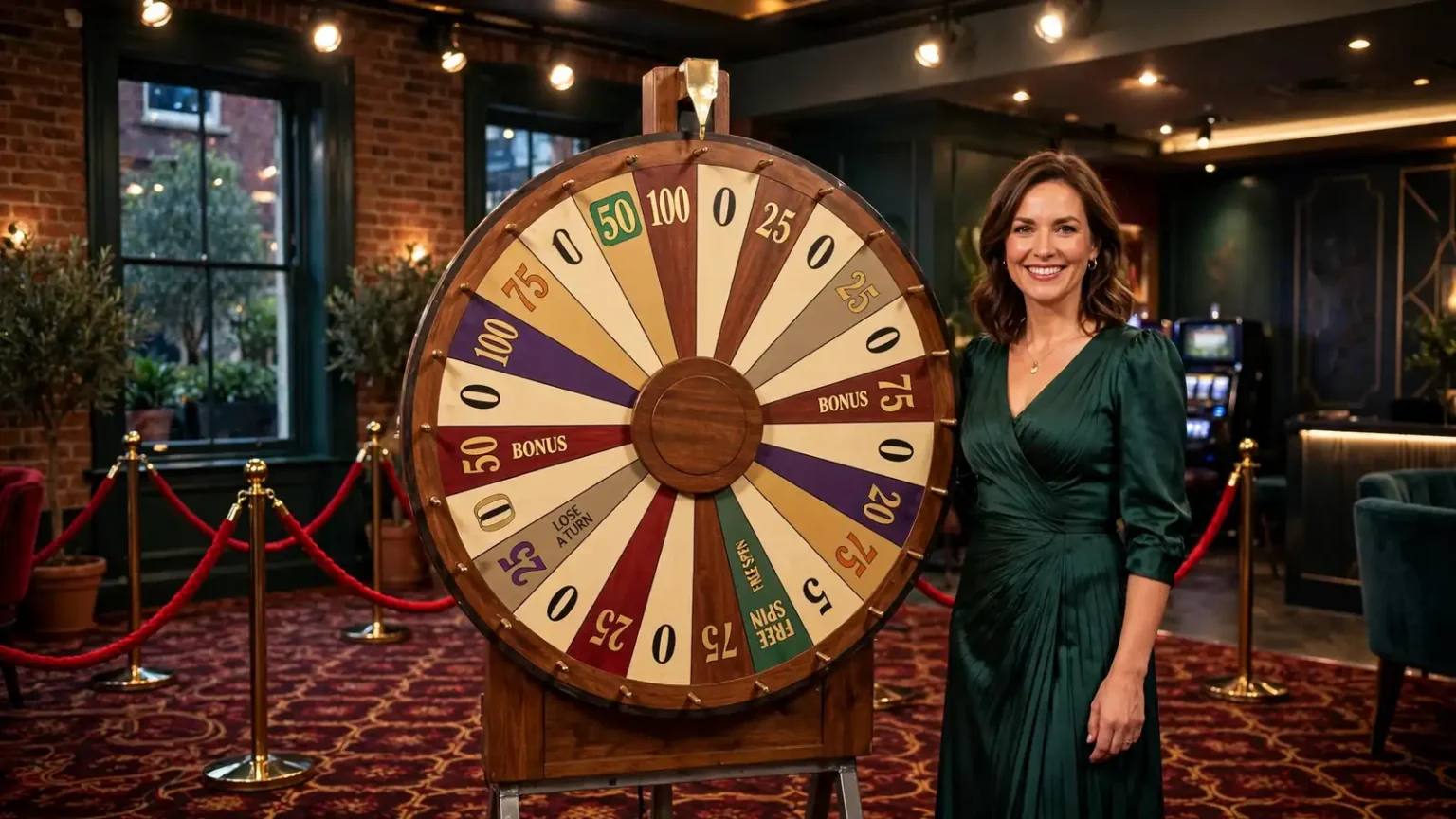
A wheel on screen can make a game look like a slot, but appearance alone does not tell you which rules apply. That matters with Dream Catcher: I would not assume its regulatory category from the wheel, its live presentation or the word “casino” in its name. Check the game’s classification with the operator rather than guessing from what you see.
A specialist gambling review describes Great Britain’s online slot stake limits as £5 for each game cycle for players aged 25 or over, and £2 for those aged 18 to 24. The same review distinguishes roulette and blackjack from slots, saying those limits do not apply to those games. That is a useful distinction, but it does not establish that every wheel-based game is roulette—or that Dream Catcher falls into one category or another.
American Roulette Online in the UK: What to Check
The wording is easy to skim past. “Per game cycle” is not a general cap on everything you might wager during a session; it refers to a slot’s individual cycle. And a wheel’s appearance is not enough to settle whether that slot rule covers a particular product. I used to treat the visual label as the answer. It isn’t.
If you are checking a Dream Catcher table, look for the operator’s information about how it classifies the game and what stake conditions apply. If that explanation is unclear, ask the operator before wagering. Don’t infer a permitted stake from another wheel game, or from a slot limit that may not cover the product you are looking at.
There are other rules for online slots that are separate from the stake cap: autoplay is not allowed in Britain, and at least two and a half seconds must pass before another slot game cycle can begin. Those requirements do not tell you whether Dream Catcher is classed as a slot. They are relevant only if the product is an online slot.
So keep the categories separate: a wheel is a visual feature, roulette and blackjack are game labels, and slot limits apply to online slots. When the classification is uncertain, pause instead of filling the gap with a guess. And only wager what you can afford to lose.
Before you use a live Dream Catcher casino site
Before I put money into a casino account, I check the site itself rather than trusting a logo or a line saying “fully licensed”. That wording is easy to display. The useful check is whether the operator’s licence number appears on the UK Gambling Commission’s public register and matches the business and website I’m using. Look up the number on the Commission’s site before depositing; don’t rely on a link or screenshot supplied by the casino.
Payment Restriction
UK-licensed casinos cannot accept credit cards for gambling, including funds routed through money service businesses or wallets that allow credit-card funding.
That distinction matters. Remote gambling operators serving customers in Great Britain need the relevant Commission licence, wherever their equipment is based. If the register details don’t line up with the site, I stop and verify them before sharing payment details or opening an account. No deposit is worth rushing into.
I also check what happens inside the account. Operators must verify your age before allowing a deposit, and new customers must be prompted to set a financial limit before their first deposit. Look for the account controls that let you manage that limit later. I prefer finding those controls before I need them, not while trying to undo a decision made in the moment.
UK-licensed casinos must provide responsible-gambling tools, including self-exclusion. Check where those options sit and how the site explains them. If you want to stop gambling across participating operators, GAMSTOP is a separate self-exclusion service; read its terms directly rather than assuming an account setting does the same job.
Payment options are another basic check: UK-licensed casinos cannot accept credit cards for gambling, including credit-card funding routed through a money service business, and they cannot accept wallet payments where the wallet allows credit-card funds to be used for gambling. If a payment route is unclear, pause and ask the operator how it works.
I’ve learned not to treat a polished page as proof that the practical protections are there. Check the licence entry, the account limits and the support tools before you deposit. And only gamble what you can afford to lose.
Dream Catcher demo play: check what is actually offered
A page describing a Dream Catcher demo may mean a practice version, a preview, or simply a link to a live table. Those are not interchangeable. I’ve learned not to treat a button labelled “play free” as proof that a complete demo is available: read the wording around it and see what happens before you commit to anything.
If a casino offers a non-money version, check whether it is clearly identified as practice play and whether it lets you explore the same experience the page is advertising. Don’t assume that a demo has the same conditions as real-money play, or that trying one tells you what you would experience after signing in. A promotional description is not the same thing as an explanation.
The other possibility is that the site takes you straight to a real-money game. Pause there. Check whether the screen says you are playing for money, and do not deposit just to find out. A game’s name does not tell you whether a free mode exists, and I wouldn’t read a general mention of Dream Catcher as confirmation that a particular casino has one.
There is also a difference between seeing a game page and being able to use it. A site may ask you to create an account before showing what is available. Before depositing, make sure you understand what you are agreeing to; operators must verify a customer’s age before allowing deposits. If anything about the mode or its terms is unclear, leave it until you can confirm it.
No guesswork needed. If you do move on to real-money play, set a limit first and only gamble what you can afford to lose. A demo, when one is genuinely offered, is not a reason to lower that guard.
A Dream Catcher casino review should separate facts from hype
A review can sound convincing while telling you very little. I’ve learned to pause when every paragraph calls a site “trusted”, “premium” or “the ultimate choice” but never shows what those words are based on. They’re sales language, not evidence.
When reading a review of a casino offering Dream Catcher, separate claims about the operator from claims about the game. Operator details should be checkable independently, rather than resting on a reviewer’s reassurance. A confident tone does not prove a site is properly authorised, and a polished page does not tell you whether its statements are accurate.
Then look at what the reviewer actually says about Dream Catcher. Do they describe something they personally saw, or repeat broad claims such as “immersive live action” without explaining what they mean? Treat unspecific praise as opinion. Don’t assume a review has established the game’s rules, features or availability just because it uses the name repeatedly.
I also look for the difference between observation and promotion. A reviewer may report that a page displayed a particular message; that is not the same as confirming every promise in that message. If a review mentions a bonus or another offer, check the operator’s terms directly before relying on it. “Generous” is not a useful description on its own.
Pay attention to how the review handles uncertainty. A careful writer says what they checked and avoids turning a limited observation into a universal claim. A page that makes sweeping promises, gives no clear basis for them, or blurs advertising with independent assessment deserves less weight. That doesn’t prove every statement is false. It does mean you should verify anything that could affect your decision.
A Dream Catcher live casino review can help you decide what to investigate, but it cannot make the decision safe for you. Read beyond the headline, distinguish fact from judgement, and check important claims at their original source. I’d rather leave a glowing claim untrusted than mistake confidence for proof.
If you choose to gamble, use the safeguards available to you and only gamble what you can afford to lose.
Before you play Dream Catcher live
Before I put money into a live game, I try to decide what I can afford to lose while I’m still thinking clearly. That means setting a spending limit before starting, not trying to work one out after a run of losses. If the money is needed for bills or essentials, it isn’t a gambling budget.
I’ve learned that “just one more” can turn a small session into something I didn’t plan. So I set a time to stop as well as a money limit, and I don’t raise either because I’m chasing a result. A limit only helps if I stick to it.
Check the account controls before you play. UK-licensed operators must make financial limit tools accessible and offer responsible gambling measures, including self-exclusion. Those controls are there to use, not just to sit in a menu. If you need a break, use one; if gambling is causing worry or affecting your finances, stop and seek support rather than trying to win losses back.
Keep the game itself in perspective: a live presentation does not make an outcome predictable, and no session owes you a win. I remind myself of that before I start, especially when I’m tempted to keep going because the next round feels different.
If you choose to play Dream Catcher live, make the decision in advance, use the safeguards available, and walk away when your limit is reached. Only gamble what you can afford to lose.
Are online casino games licensed and regulated?
Yes. The UK Gambling Commission regulates commercial online gambling in Great Britain, and remote operators serving consumers there must hold the relevant licence.
What are the online slot stake limits in Great Britain?
The limit is £5 per game cycle for adults aged 25 and over and £2 for adults aged 18 to 24. These limits do not apply to roulette or blackjack.
Is LuckyPays licensed by the UK Gambling Commission?
The Commission’s public register dated 26 September 2026 does not identify LuckyPays under its brand or stated domain, including luckypays.io.
Material created by the team Basswin UK Guide


